Philosophy Behind the Nursery
The last 230 years have not been kind to the Australian continent.
Much of it would be unrecognisable to our ancestors.
The damage wrought by colonial agriculture—land clearing, and the introduction of plants and animals from Europe and elsewhere—has been substantial and ongoing; in many places, the injury feels permanent. The delicate soils of the driest inhabited continent on Earth have been compacted by hard-hoofed introduced species and left vulnerable to erosion by wind and rain.
Early coloniser descriptions of soil profiles in Victoria describe the earth as soft and ash-like. Cultural burning (fire-stick farming) allowed seeds to fall onto pillowy beds, tilth unimpacted by native fauna moving across Country on padded feet. Here on the Mornington Peninsula, extensive land clearing has seen cypress and pine corridors, vineyards, and suburbia increasingly jostle aside what remains—less than 7%—of viable, remnant bush. The rich array of animals, birds, and reptiles that lived here has contracted dramatically within living memory; introduced and farmed species dominate.
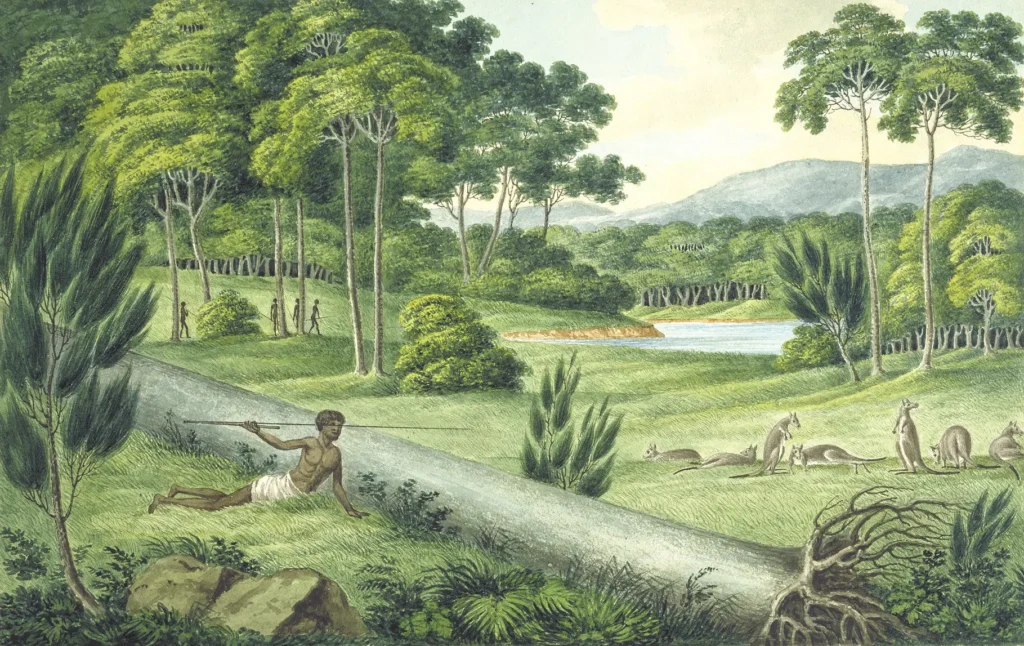
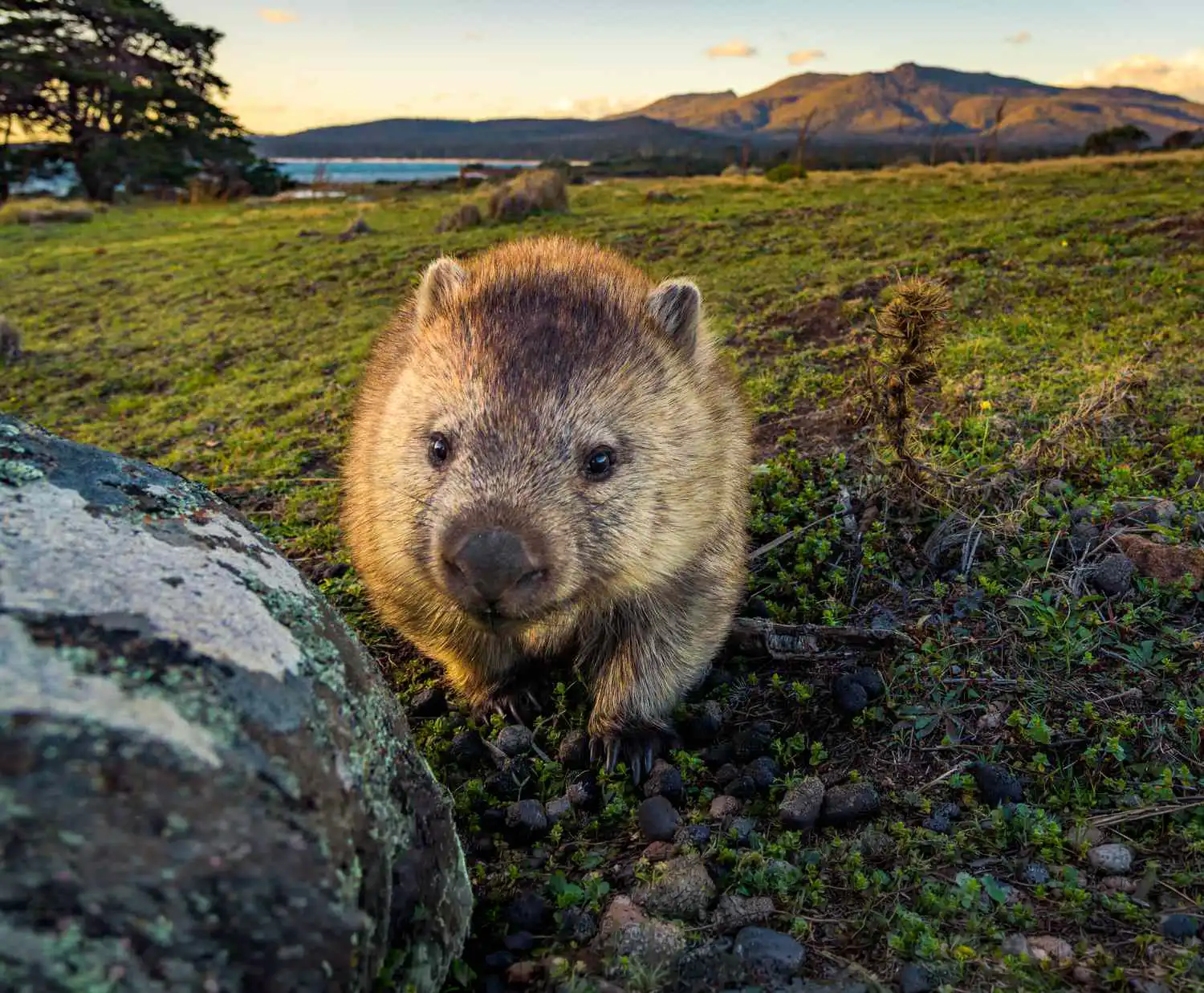
How tenuous now are the lives of gooboras (koalas) and guyeem (kangaroos) on Peninsula roads? How few are the Bunjils (wedge-tailed eagles)? What does it mean to imagine Country bereft of key totems? Willum Warrain itself is located in the Warringine industrial precinct in Hastings. Warringine means “home of wombats” in Bunurong language—yet wombats have not been here for 70 years. Why wasn’t more habitat left uncleared—for our children’s children? What remains is under constant pressure from development and introduced weeds.
So, what is the solution to this damage?
How can we halt decline, protect and enhance what is left?
One practical step is to replant species from Country—the plants that have always been here—back into the landscape, including those grown and supplied by Willum Warrain. Their return will awaken waiting synergies.
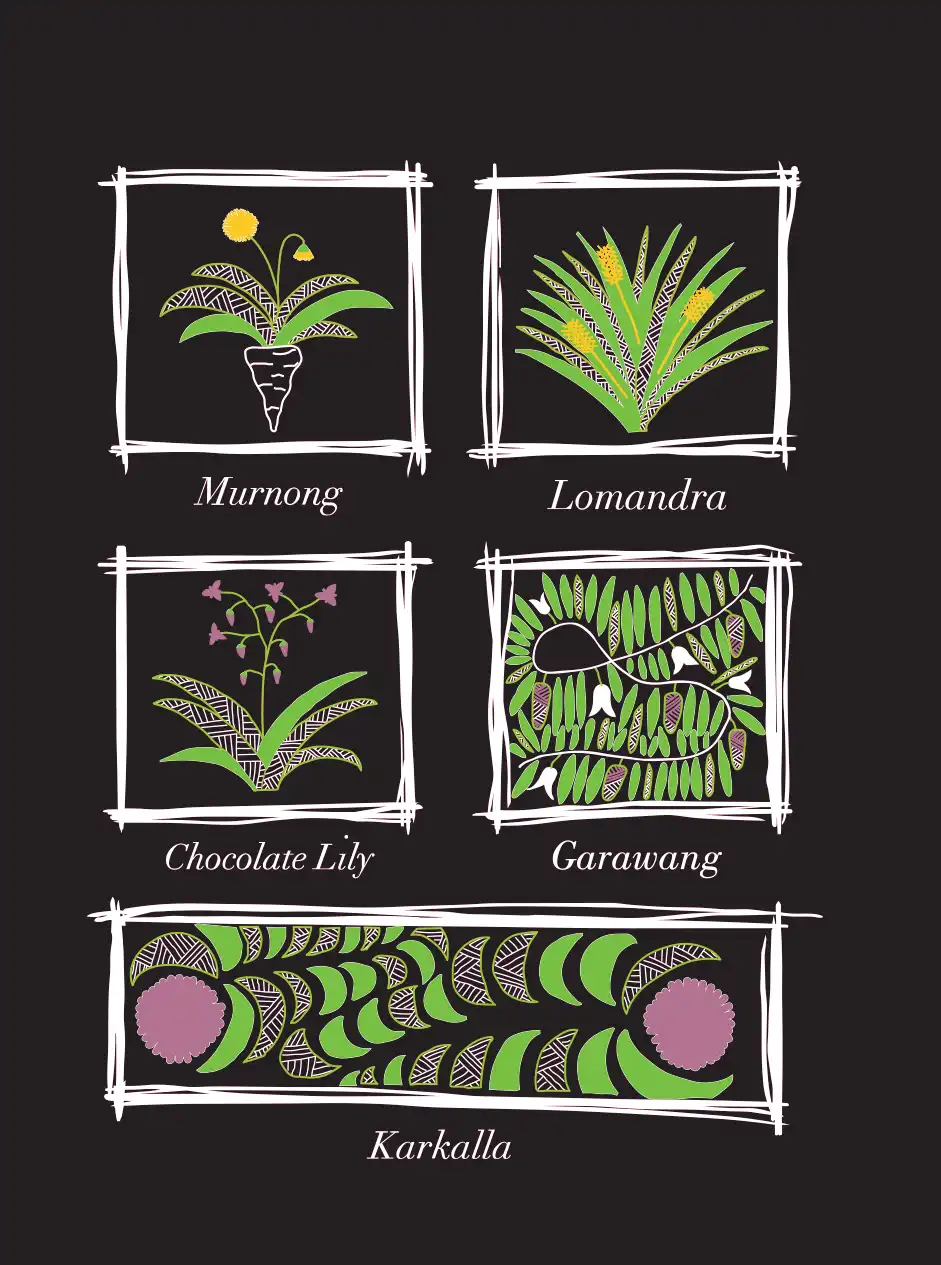
Swamp rats love eating murnong roots in winter; blue-tongue lizards swallow up garawang (apple berries) when they fall soft and ripe to the ground in spring; eastern rosellas are especially partial to the fruit of yallerm (chocolate lilies) in early summer; and firetail finches love feasting on wallaby grass seed heads in late summer.
The colonial mindset assumed there was nothing worthwhile in this landscape.
Indeed, much of what nourished Aboriginal people was invisible to wilfully blind eyes, staple food plants resting underground throughout summer. Aboriginal people had lived here across all sorts of climes for 70,000 years—not just survived, but flourished. Yet everything was to be replaced with “superior” imports from the “old country”, an egregious misnomer given the deep time of First Nations’ occupation of Australia. The rejection of food from Country—replaced by sustenance from Europe and elsewhere—was part of a broader conceit: that Country could be made to bend to a newly imposed reality, achieved by pioneering conquest involving extraction, exploitation, and substitution.
Against this historical backdrop, contemporary Australia—famed for embracing multicultural food—has only comparatively recently (and embarrassingly belatedly) shown real interest in native foods, or bush tucker: the foods that sustained First Peoples for millennia. The deliberate turning away for two centuries has given way, oddly but explicably, to warm embrace. It feels like the last wave of colonisation: a final stage in the exploitation of this Country’s resources—something else to mine and profit from without compunction. Aboriginal plant and cultural knowledge can be freely commodified and commercialised with little or no benefit flowing back to Aboriginal communities. If our mobs are involved, it is too often at the low-value end of the supply chain—harvesting kakadu plums or muntries from Country that will later be ‘tricked up’ as hero ingredients in high-end restaurants at eye-watering prices.
“South of Melbourne, dozens of nurseries grow indigenous plants—many are large commercial operators—but the only nursery that is 100% First Nations’-owned across this vast catchment is Willum Warrain.”
It is hard to establish a foothold in an entrenched horticultural marketplace when there are so few Aboriginal businesses or community organisations growing plants from Country across Victoria. There is a lot of catching up—and scaling up—to be done.
Yet caring for Country is in our DNA: we know the dormant power of Country and its capacity to repair. We believe when we heal Country, we heal ourselves—because Country and People are interconnected. When Country is healthy, we are healthy; and the opposite is also true. We have no choice but to listen to what Country is telling us. It needs our help—desperately.
For our Aboriginal community at Willum Warrain, there is deep power in reclaiming traditional plant knowledge and waking up sleeping cultural practice. Our mobs once grew up learning the plants in our own Countries, knew them intimately—their uses for food, medicine, material technologies, and spiritual life. Country was our supermarket, our chemist, our hardware store, and our church; it provided what we needed to lead healthy lives along the coast, inland along rivers, on the plains, and in mountains and deserts. When we see our bubups running around eating bulagi (saltbush) every time they visit our Gathering Place, we feel our ancestors beaming and nodding approval.
Our local Aboriginal community—with many of us living on Bunurong Country as part of a broader diaspora experience—are learning about the local plants that have always been here: their uses and relationships with all that lives here today, including insects, reptiles, birds, animals and humans. We are part of a greater whole. Don’t forget many of these local plants occur more widely across South-East Australia, too. Their dreaming networks are extensive.
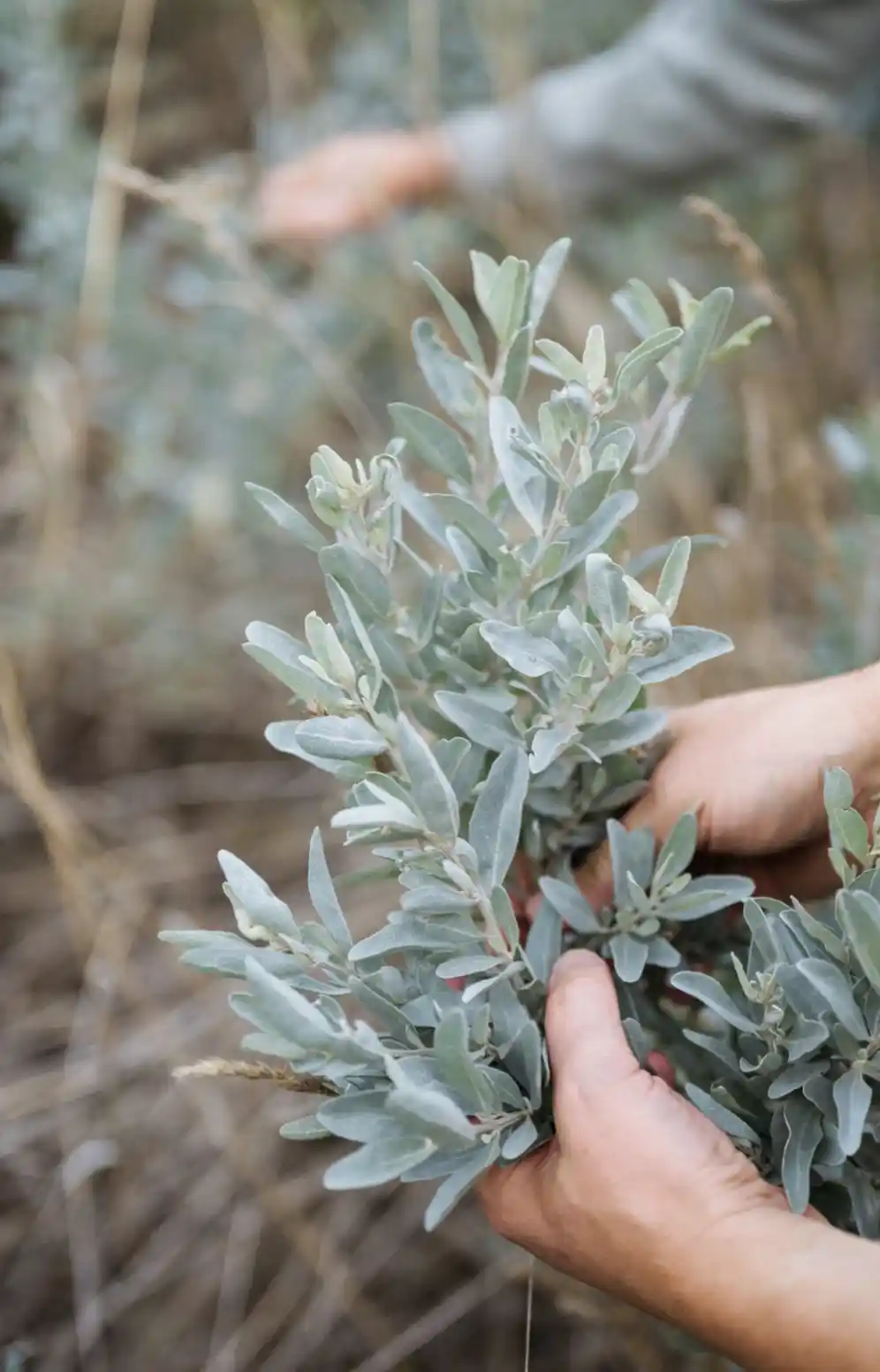
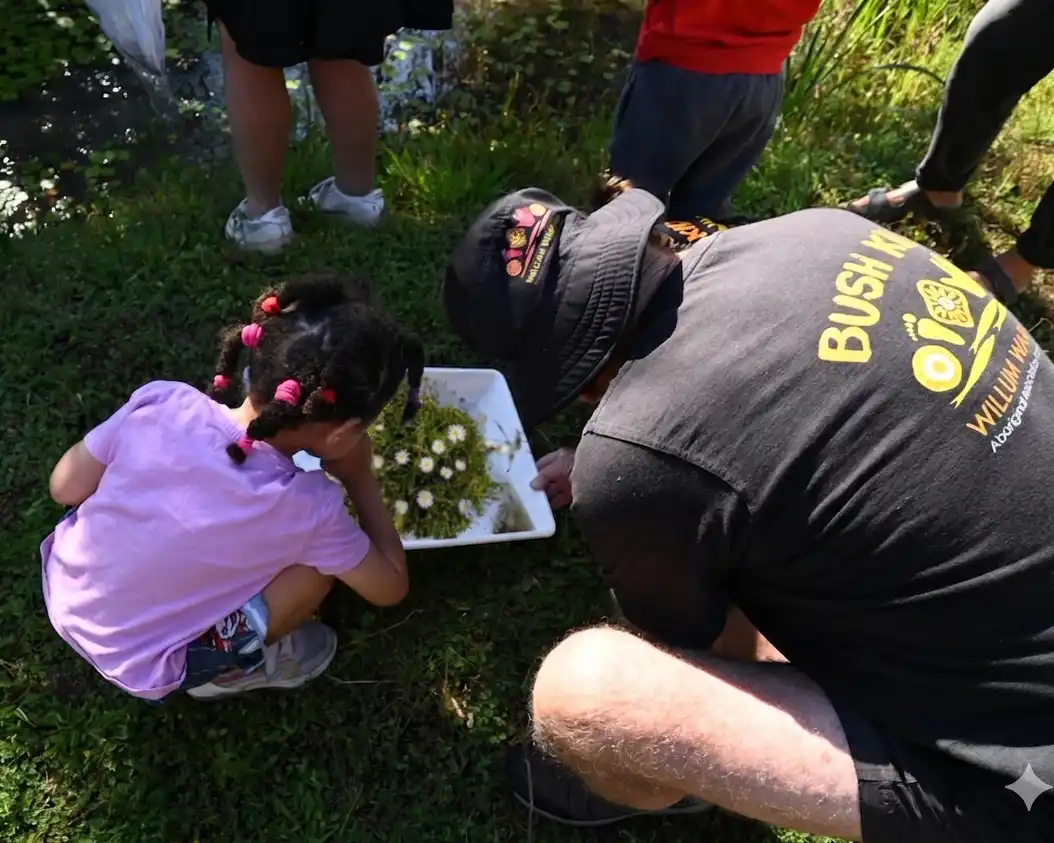
We are happy to share cultural knowledge the right way: proper two-way, the opposite of transactional, full of mutual benefit and deep respect.
One example of this is edible reconciliation. We see it in the school groups who visit our Gathering Place each week to learn about plants from Country. They take home tube stock and cultural learnings.
Tread lightly on Country. Only take what you need. We are part of a greater whole. Plant the plants that have always been here—in your schools and homes.
Whisperings.
As you do, reflect on First Nations peoples and our deep-time connection to Country. Our old ways are good ways. The values that underpin our cultures are true and enduring.
Country is our mother, teacher, healer, and responsibility.
These are our messages—we want you to carry them in your heart.